At Cawood this year, Northern growers saw clear differences in weed control, yellow rust management and variety performance. Tom Sowerby picks out the main lessons from the demo, then looks at July priorities from OSR desiccation to potato blight and Alternaria so growers can make the most of the season’s remaining weather windows.
Author
Tom Sowerby | 8th July 2026Tags
July agronomy insights: Cawood demo day and July jobs in the North
For growers in the North of England, this season has been about making the most of well-established cereal crops from last Autumn while keeping on top of some tough weeds and persistent yellow rust in a challenging climate both meteorologically and financially. The Cawood demo day in early June pulled a lot of those threads together, and July now gives a chance to turn what we saw in the plots into decisions for next season. The jobs never end so Tom is also thinking about options for OSR desiccation, potato blight and Alternaria programmes and early planning for autumn.
Weed screen and Proclus at Cawood
Tom describes this year’s Cawood demo as one of the best so far, with over 120 farmers and agronomists attending the day with disease abundant and the weed screen “in full plumage”, showing some very clear differences between treatments. The standout plots were those where Proclus® was split, for example used with another pre‑em partner at drilling and then followed up with Cinmethylin. The 0.4 litre rate of Proclus® in the sequence gave a particularly strong performance in that trial. As Tom puts it, “if you’re farming on paper alone”, that is the ideal program where you can do a pre em and know you can get back in with a second spray – you leave the cinmethylin and around 30% of your Proclus® in the shed and use them later, which is especially valuable where ryegrass pressure is high. In reality, if workload or weather means that second pass is unlikely, the message is that growers may need to get more of the stack on at the first timing and accept that splitting is not always practical.
Timing and conditions still make a big difference to the Spring contact herbicide follow‑ups. Tom’s advice is that you need to be on early, often before the first nitrogen application, on a dry day with good travelling conditions, weeds at the right size, warm active growth and some sun to get the best out of the chemistry. Where those boxes are ticked, the Cawood plots showed that performance could still be very strong.
Bromes, rye-grass and planning ahead
In the weed screen, the bromes were some of the most challenging to control which is a trend we are seeing nationwide not just in the North. Tom’s take‑home message is that growers need to start by working out exactly which brome species are present on each area of the farm, because some herbicides work well on certain bromes and much less well on others. That identification then feeds into sensible product choices and how much reliance is placed on cultural control. Alongside the chemical options, Tom highlights the value of cultural measures after harvest. If you get some moisture once the combine has been through, a shallow cultivation to encourage one flush of all brome species to chit and then be controlled with Roundup® should be undertaken, regardless of species. An early reminder from Tom is that the green bridge is one of the key drivers of BYDV infection in winter cereals so ensure there are at least 10 days between burning off the stubbles and getting on with a drill, particularly in no till scenarios.
Yellow rust pressure, varieties and fungicides
Visitors who were not at Cawood also missed some serious yellow rust pressure. Rust Alley showed clear differences between programs, and Tom felt it was a good reminder that azoles like prothioconazole are still doing a lot of the heavy lifting in a yellow rust year. On the variety run of over 40 listed and candidate plots, some of the newer wheats looked tall, leggy or generally underwhelming under this season’s pressure, whereas varieties such as Crusoe and Graham continued to look good where growers know how to manage them. Tom notes that Graham, in particular, does not seem to have been hit as hard by the current yellow rust race changes, and that other variety lines with slightly different parentage sometimes held up better against Yr15.
Looking back at fungicide programmes, T0 sprays were widely used, and Tom is blunt that anyone who skipped T0 this year put themselves on the back foot straight away. Tom feels that in many Northern crops this year you needed something like Vimoy® or Plaxium® at T1 to keep yellow rust under control, especially in more susceptible varieties, while still carrying Septoria risk in mind. In practice, a high proportion of programs in the region included isoflucypram at T1, followed by Univoq® or Revystar® at T2, with Miravis® used in some cases where rain arrived just in time to justify the extra spend.. T3 was more variable, with some growers feeling the season did not demand a full third timing and others using whatever they had left in the shed in a protective role. One Northern difference compared with some other regions was that key rain fell around the early May bank holiday, which meant there was still a clear payoff from a strong T2 in many crops.
OSR desiccation – getting pod timing right
As July progresses, OSR desiccation will be one of the first big jobs for many Northern growers. The region is running a little behind the West and South West, so most crops are just coming into the window where pod‑testing and desiccation decisions need to be made. Tom is keen that growers do not rush this stage. Using simple pod‑testing techniques to check for the right level of seed colour change before going in with a desiccant helps make sure timing is right, which in turn supports even ripening and protects yield and sample quality. He points growers towards existing advice on our YouTube and social channels that show how to test pods and what to look for in the field.
Potato blight and Alternaria programmes
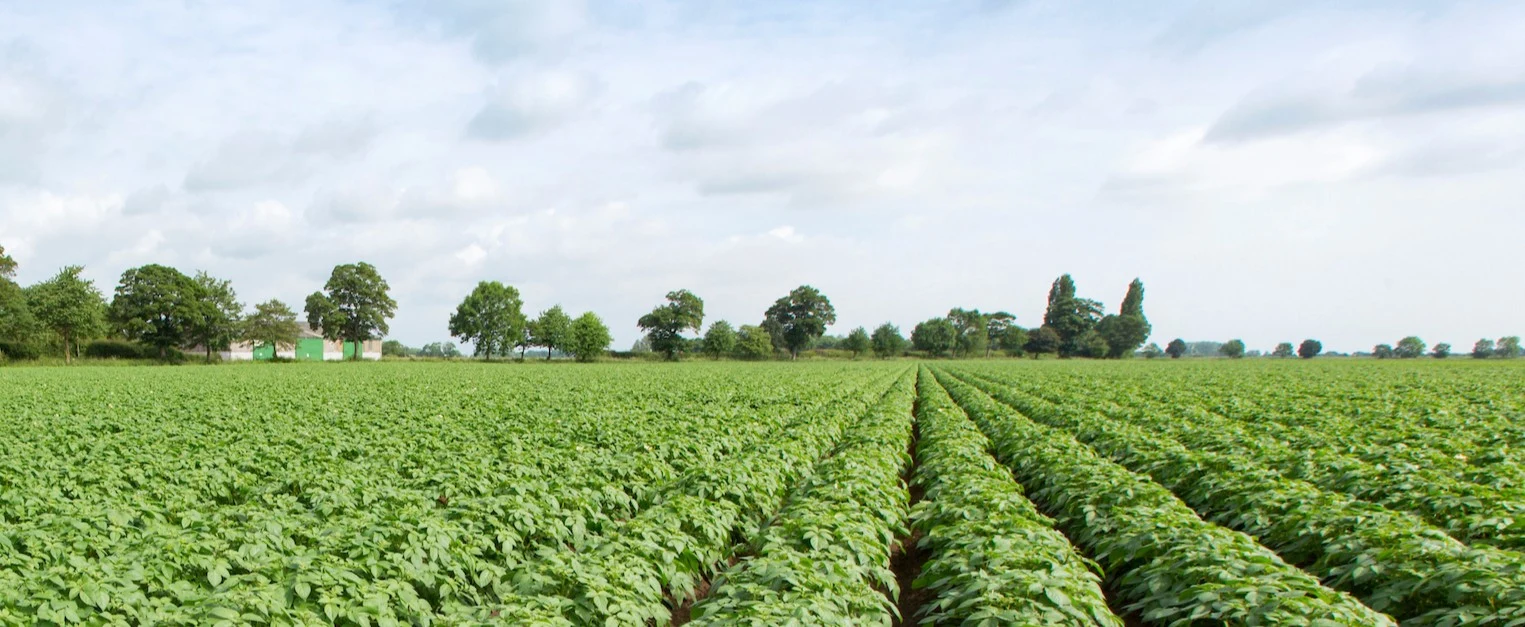
In potatoes, Tom describes a season that is changing quickly. Up to now, hot weather has kept late‑blight levels very low, but the combination of humidity and recent summer storms means blight pressure is likely to increase as July goes on. Growers who have felt able to ease back slightly so far may need to be ready to tighten intervals and step up products as conditions change.
Alongside late blight, Alternaria (early blight) has become a bigger talking point this year, especially with mancozeb no longer available. Tom is seeing Caligula® being used as the main early blight driver in the middle of programmes, with some growers having built Infinito® in earlier in the season and still having a few timings left as the main late‑blight window arrives. The key point is that Alternaria sprays need to be built into programmes on top of, not instead of, the planned late‑blight protection.
Aphids, virus risk and options such as Sivanto® Prime are also on the radar, although Tom does not feel aphid populations are at crisis levels yet in his area. As ever, the threshold for intervention is lower in seed crops than in ware, so any aphicide use needs to be justified by the purpose of the crop and actual field pressure rather than routine spraying.
A Northern sign‑off
Tom’s overall view is that, despite plenty of challenges, many Northern growers are on track for a decent season where strong early decisions on weeds and rust have left crops in good shape. July is a chance to use what Cawood has shown – from the value of split Proclus® programmes to the payoff from robust T1 and T2 fungicides – and to apply those lessons in OSR desiccation timing, potato programmes and early plans for next season’s weed and variety strategies across the North of England.
"The weed screen was in full plumage – some good differences, a good story to tell."
Proclus® contains aclonifen. Vimoy® (Iblon®) contains isoflucypram. Plaxium® contains fluopyram, prothioconazole and isoflucypram. Univoq® contains fenpicoxamid and prothioconazole. Revystar® XE contains mefentrifluconazole and fluxapyroxad. Miravis® contains pydiflumetofen. Infinito® contains fluopicolide and propamocarb hydrochloride. Caligula® contains fluopyram and prothioconazole. Sivanto® Prime contains flupyradifurone. Roundup® contains glyphosate. Vimoy, Plaxium, Infinito, Caligula, Sivanto, Roundup, Iblon and Proclus and are registered trademarks of Bayer. All other brand names used are Trademarks of other manufacturers in which proprietary rights may exist. Use plant protection products safely. Always read the label and product information before use. Pay attention to the risk indications and follow the safety precautions on the label. For further information, including contact details, visit www.cropscience.bayer.co.uk or call 0808 1969522. © Bayer CropScience Limited 2026